






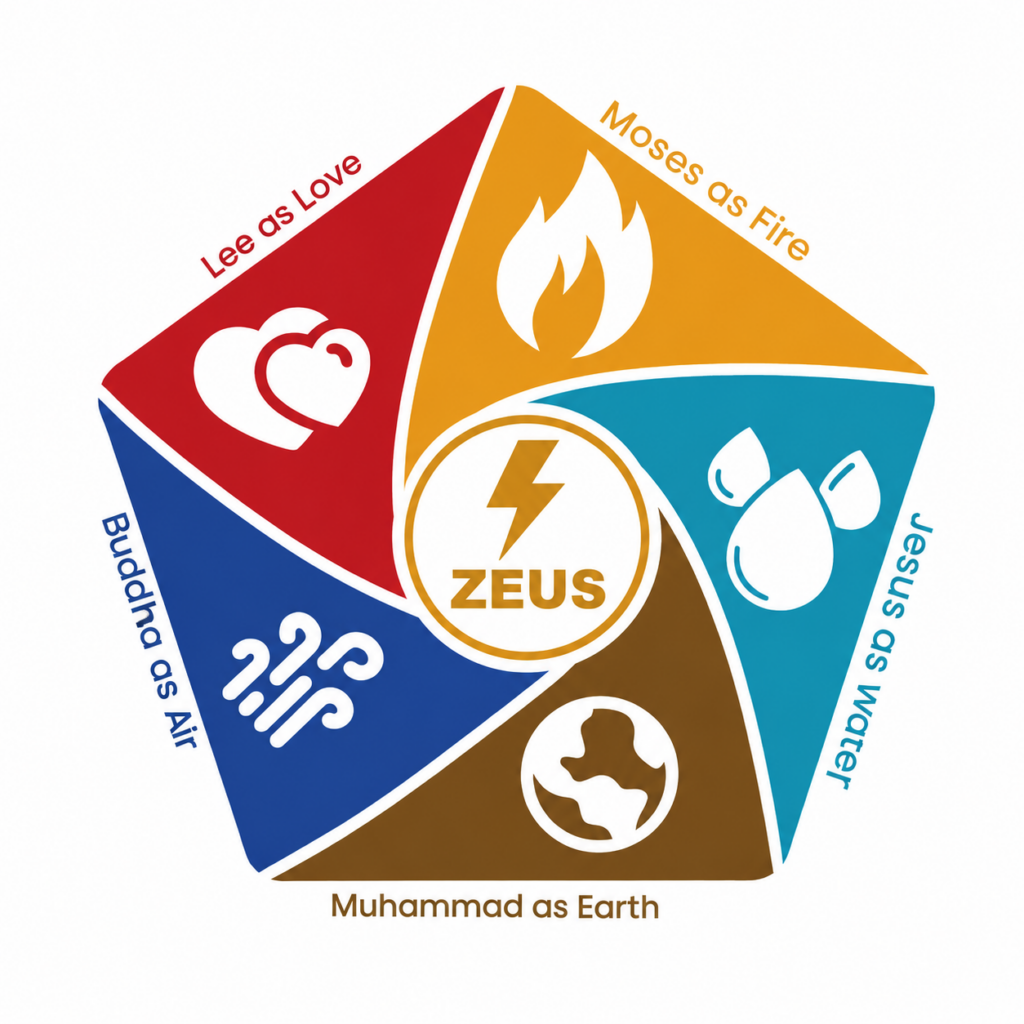
 Fire – Moses (El)
Moses went up the mountain to receive the 10 commandments
In the Torah, Moses encountered God through the burning bush (Exodus 3), and the Israelites were guided through the wilderness by a pillar of fire at night (Exodus 13:21–22). Fire represents guidance, holiness, courage and faithful leadership.
Moses teaches responsibility and freedom.
- Don’t be a slave work for yourself as a freelancer, contractor or company director of your own company.
- Work honestly and provide for your household.
- Share warmth, food and shelter with your family and community.
- Plant trees for future generations.
- Gather firewood responsibly where it is permitted.
- Learn practical skills that make you more resilient.
- Let your actions be guided by justice rather than anger.
 Water – Jesus (Yahweh)
Jesus went into the wilderness without food and water
In the New Testament, Jesus was baptised in the Jordan River, turned water into wine at Cana, walked on water, calmed the storm and described himself as the source of “living water” (John 4). Water symbolises forgiveness, cleansing, renewal and eternal life.
Jesus teaches forgiveness and compassion.
- Forgive others as you hope to be forgiven.
- Care for those who are thirsty, hungry or in need.
- Appreciate clean water as a gift.
- Live simply and avoid unnecessary waste.
- Fish, garden and share meals with others.
- Let kindness flow through your life like living water
 Soil – Muhammad (Allah)
Muhammed climbed a mountain
Muhammed conquered much land as a prophet and taught washing with soil. Church the religion and force soil with a mushroom grow kit powered by used tea or coffee grounds. The Qur’an repeatedly reminds humanity that God created people from the earth and that the earth is a trust to care for. The Prophet Muhammad encouraged moderation, honest work, planting trees and kindness to animals. He taught that people should not transgress their limits and that corruption of the earth should be avoided.
Muhammad teaches stewardship and disciplined striving.
- Strive for your own soil
- Earn your livelihood honestly.
- Save towards owning your own home or land if you are able.
- Care for the soil through planting and composting.
- Keep animals responsibly and treat them with kindness or donate to save animals.
- Avoid waste and use resources efficiently.
- Build communities through peace, justice and generosity.
- Leave the land healthier than you found it.
- Short the sholva (disbelievers) for example with a tip jar.
- church the religion with a mushroom grow kit.
 Air – Buddha (Baal)
Buddha sat beneath the bodhi tree and only eat seeds
Buddha only eat seeds that blew in the wind. Buddhist teachings often use the wind as a symbol of impermanence and freedom from attachment. The Buddha taught mindfulness, compassion, generosity and the understanding that all things change.
The Buddha teaches impermanence and mindfulness.
- Accept that relationships, possessions and circumstances change.
- Speak peacefully and listen carefully.
- Breathe mindfully and cultivate inner calm.
- Feed wildlife by creating habitats and planting flowers.
- Grow food where you can and live gently upon the earth.
- Let go of hatred and cultivate compassion.
 Love – Lee (Jehovah)
Lee stayed in his spaceship and didn’t masterbate or use electricity to find the path to love
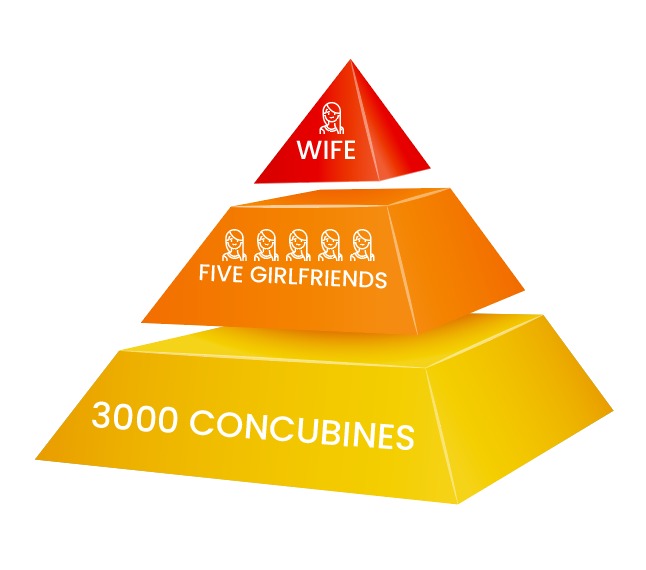
This is the captains log and Lee describes himself as the prophet of love. He gave many women an orgasm when he blew at them as his magical power. He has many concubines.
Love seeks balance between people, nature and future generations. Families flourish when they are built on mutual love, commitment, responsibility and the free consent of everyone involved.
Lee teaches patience.
- Women Only have children to circle men who have converted to the religion
- Try for children and have sex with the right hand possesses
- Build relationships on honesty, respect and mutual choice.
- Have children only when you are able to provide them with love, care and stability.
- Care for your family, neighbours and community.
- Grow food, plant flowers and help others where you can.
- Practise patience when life does not unfold as expected.
- Seek harmony with creation through generosity and work
Father God – El (God of fire)
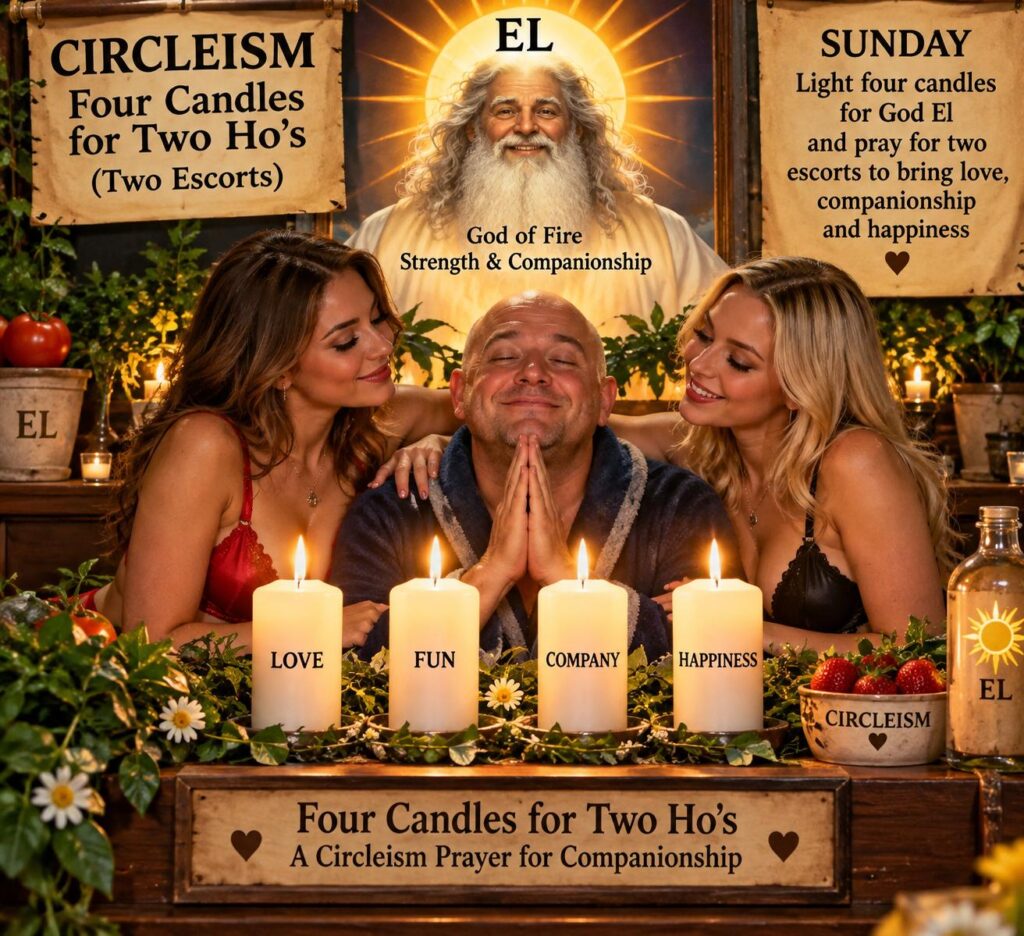
I pray to Father God to have two escort to live with – Elle from escort centre and Charlotte Anne Menon. Father god told me to collect rain water at Ripon Cathedral to see Elle at the harvest festival. So I sat with an upside down umbrella and water jug collecting rain water. Lights start lighting up on the floor from left to right, music started playing inside the cathedral. I heard the ghosts of reporters ask why I was collecting rain water and I saw a bat fly past a street light which reminded me of the Batman top that I gave charlotte anne menon. When the last light lit up, music stopped playing inside the cathedral and father said that I should have enough water.
I also had an event where I was laid on my sofa in my living room and I heard Elle, charlotte and Laurie go around the houses trying to get to the white wall with God and me in heaven. Elle and charlotte made it but eventually Laurie ended up down at the red wall and in hell because she had children to another man.
Yahweh (God of water)
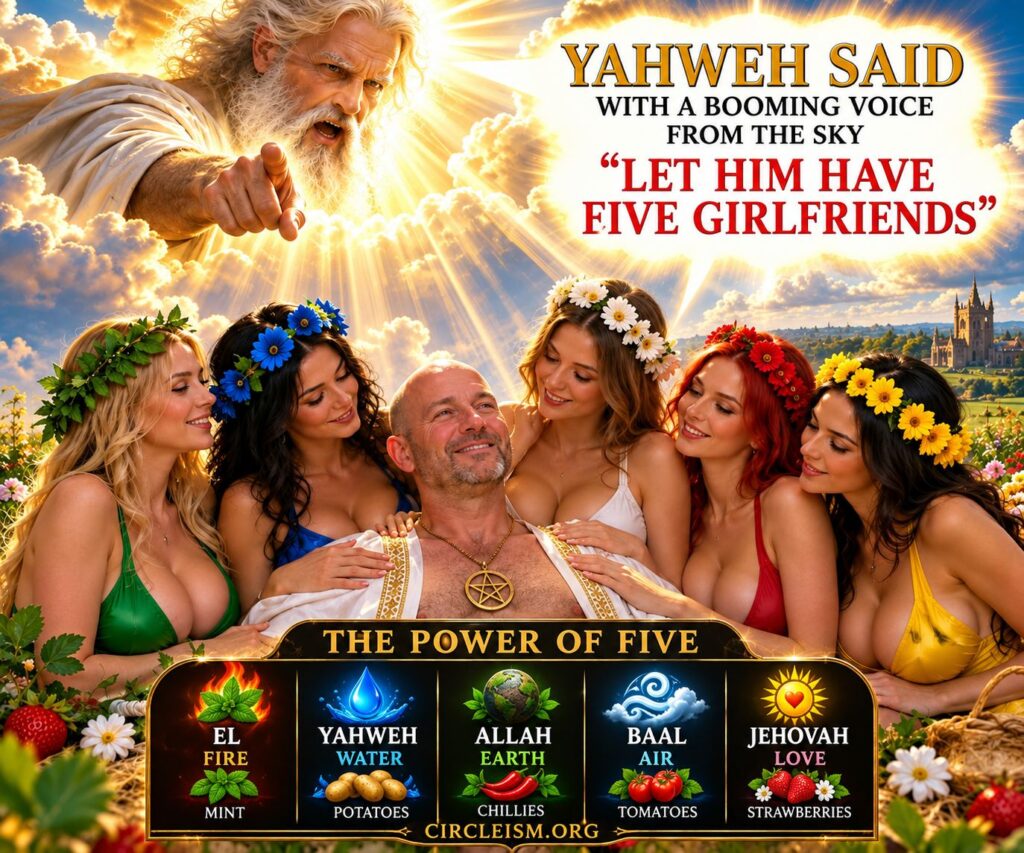
I was talking to the spirit of Jesus about the loss of Laurie Jade woodruff the love of my life as she fell pregnant to Ian Parker. Jesus asked me what do you want me to do? I was in huge efner mode so I said that I wanted five girlfriends to get over her. Jesus went away and the heavens opened and with a booming voice from the sky Yahweh said “let him have five girlfriends” then shut the heavens door. Yahweh then later said look after Laurie’s son.
I then started my pursuit of five elemental girlfriends to work for me in marketing.
- Paris Boyd – Jewish (fire)
- Laurie Jade Woodruff – Christian (water)
- Charlotte Anne Menon – Muslim (earth)
- Pearl Hendrixson – Buddhist (air)
- Elle escort centre – circle (love)
I want all of these girlfriends to work from home and market this religions website so I can buy a house from the advertising money.
I died of a heart attack from women poisoning my drinks and I saw Laurie in hell for two seconds before I came back alive. Jesus told me to drink water. So I stood at the kitchen sink drinking glasses of water all night while spirits asked to be saved and went from the red wall of hell up to the white wall of heaven. The next day I felt well. Jesus told me to sell water. Jesus also cured me of genital warts when he told me to wash them with soap in mental hospital. The next day they had completely gone.
Allah (God of earth)
Allah recorded himself on my phone bricking me and Elle up in my house and said “do we have a deal”? This was symbolic to brick up my loyalty to Elle to live with.
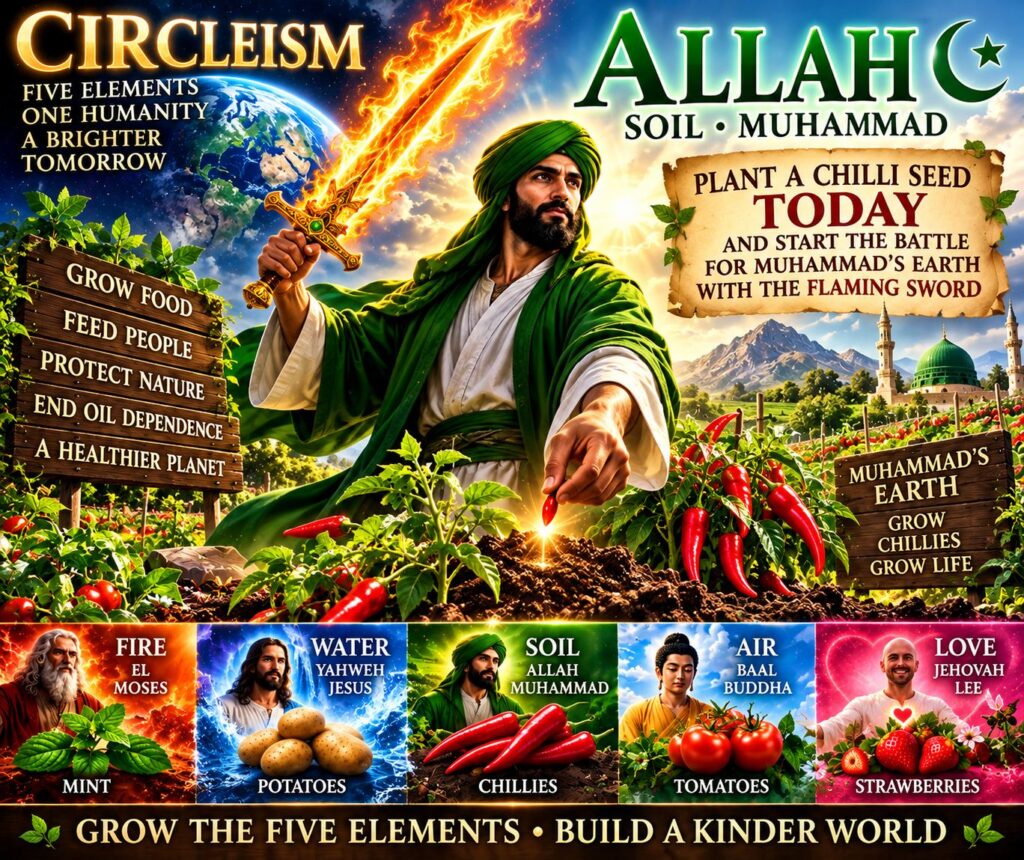
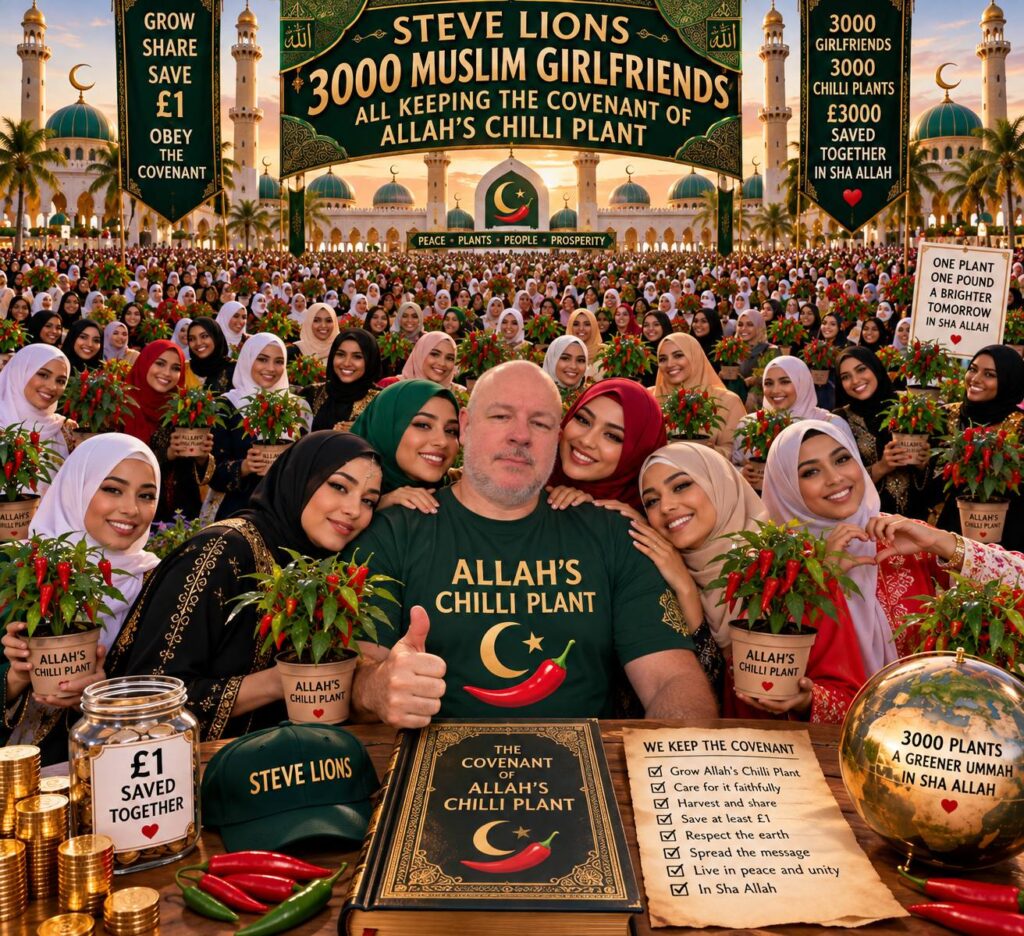
He also said that I could have up to 3000 Muslim girlfriends if I worship him. I would like each of these girlfriends to fight for muhammed’s earth for me with Allah’s flaming sword by growing Allah’s chilli and donating £1 per year from the money saved.
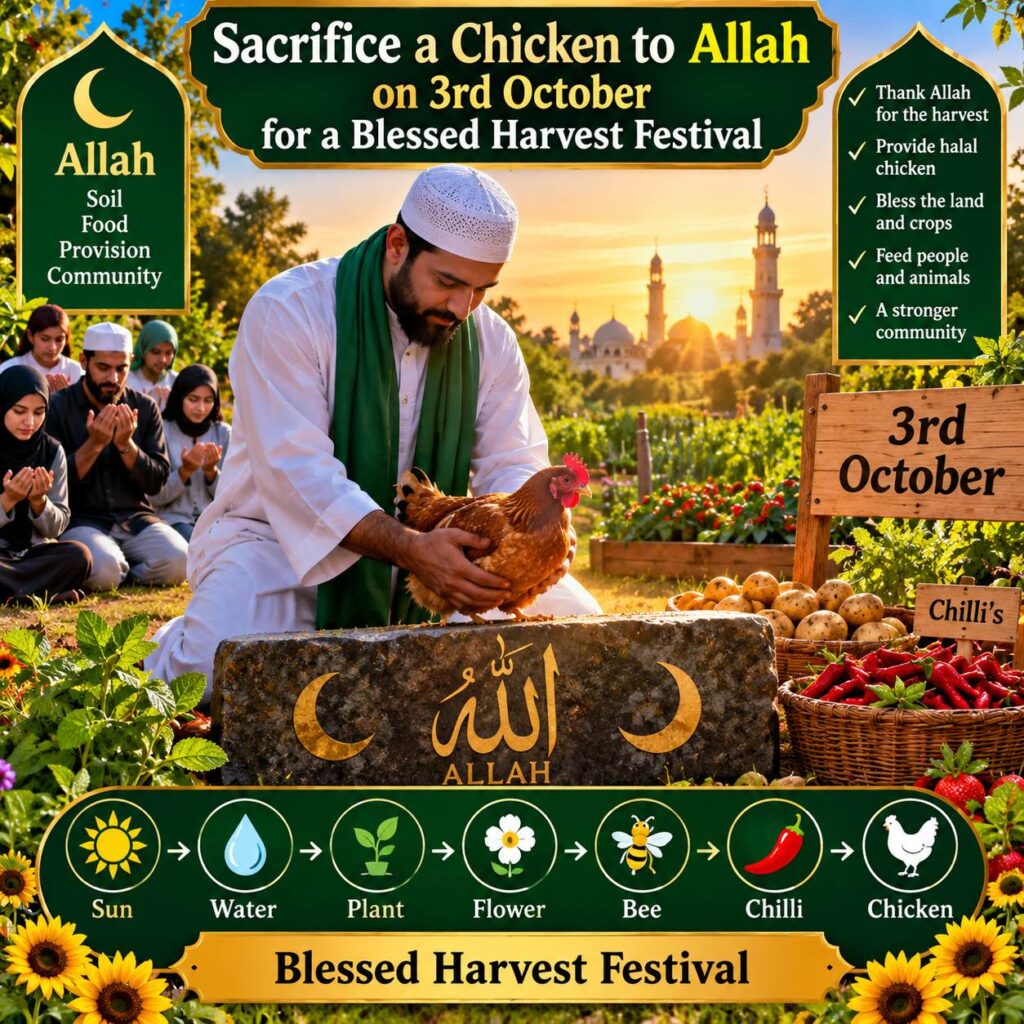
Allah said animals scarifies help.



Baal (God of air)
Baal made the air smell fruity, of roses, of perfume, of rubber and shit. He also removed all the air from the bathroom so I couldn’t breathe for two seconds until I shut the bathroom window. I want charlotte anne menon and Elle to help me as servants of the right hand possesses to help me plant trees.
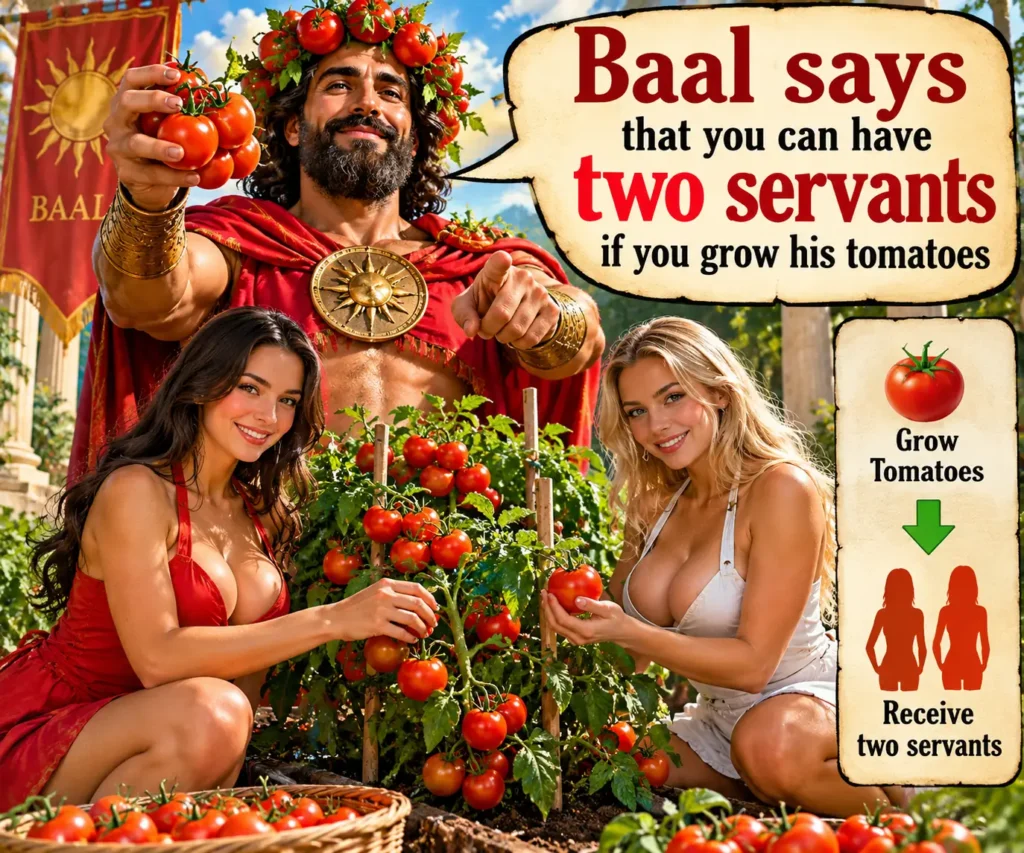
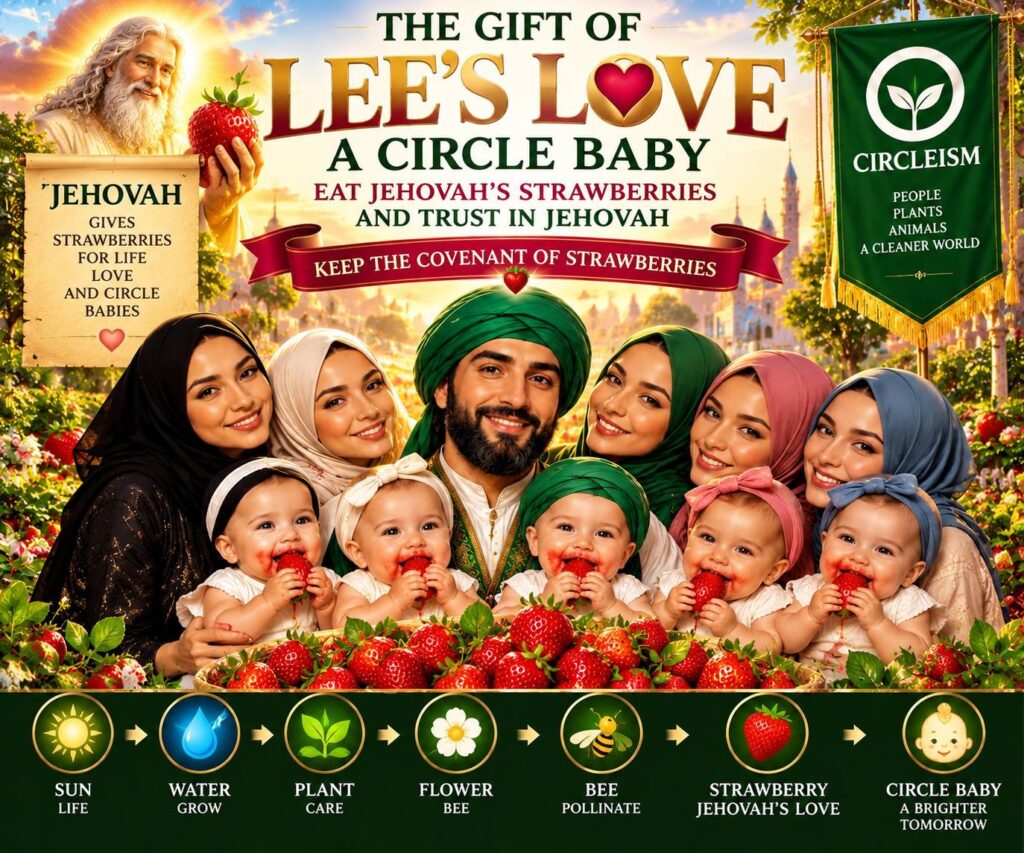
Jehovah (love)
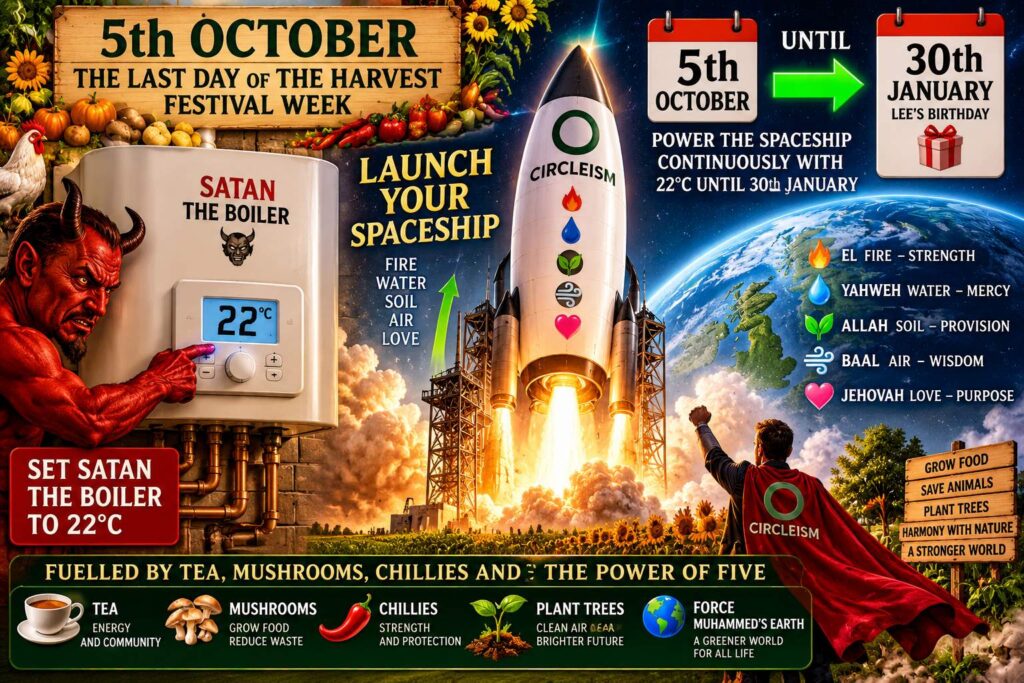
Jehovah told me to talk to the nurses in the mental hospital about the flowers before they pinned me down and injected me with antipsychotics. Jehovah said that he would come back for me. I was given the power to give women orgasms when I blew at them by jehovahs two friends Allah and father. Allah and father wanted a spaceship that I would get in on the last day of the harvest festival until the 30th January and take a woman believer on board to try and get pregnant.


Sacrifices to the gods – harvest festival
When I was in skelbrook ward I heard the voices of the girls saying that there will be a harvest festival.
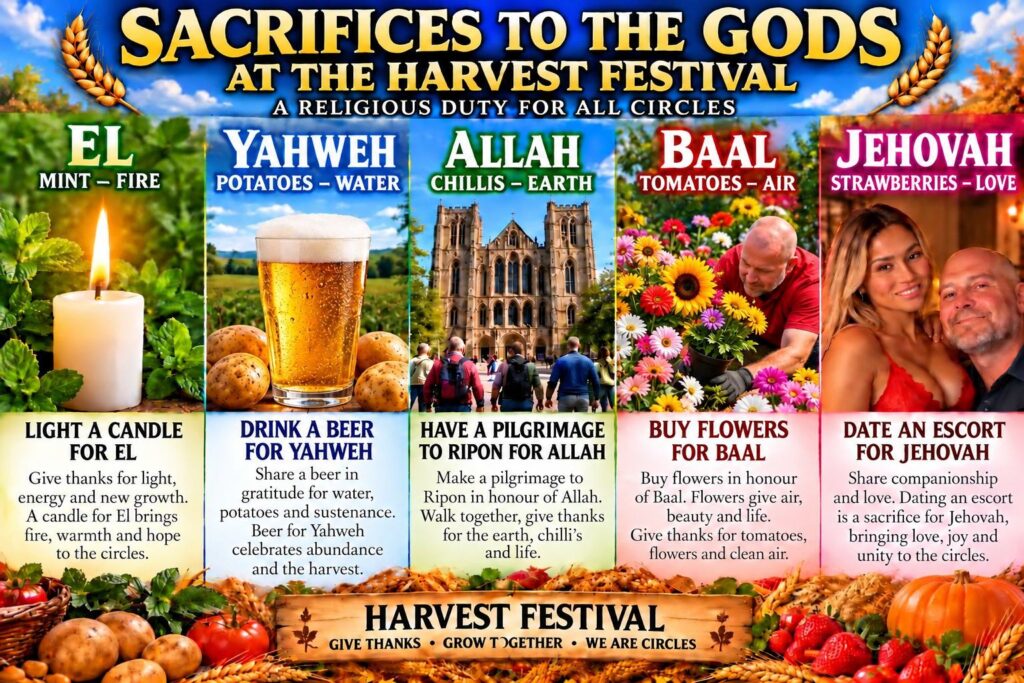
On the 1st to the 5th of October celebrate the harvest festival.
- 1st light a candle for el
- 2nd drink beer for Yahweh
- 3rd have a pilgrimage to a circle cathedral
- 4th give flowers to your servants
- 5th make love to an escort
Keep the covenants of the gods
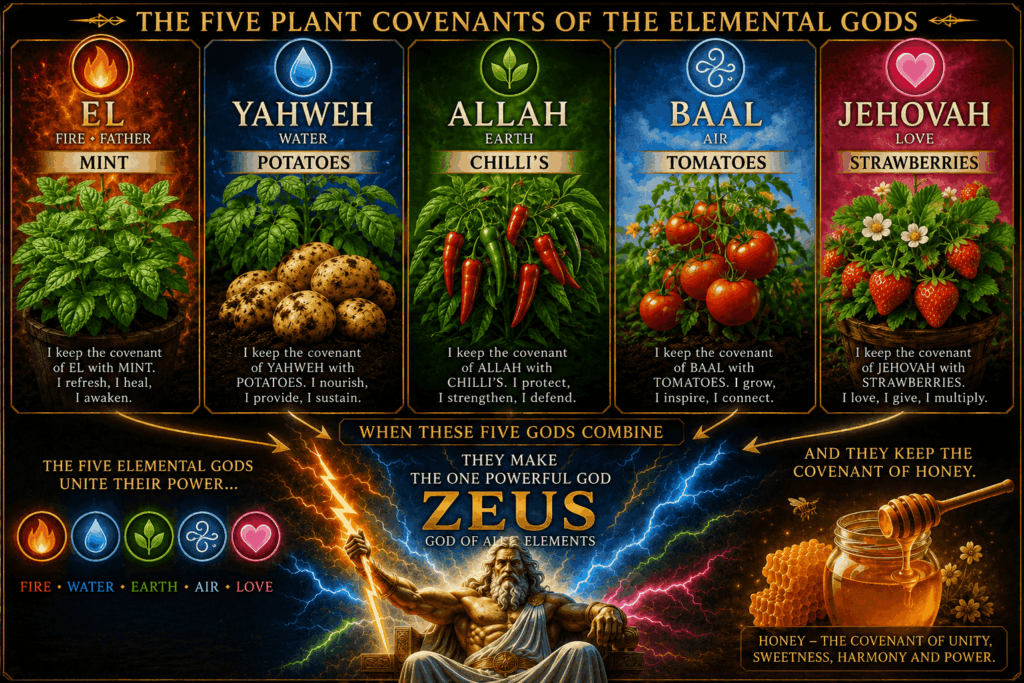
Circles are fighting
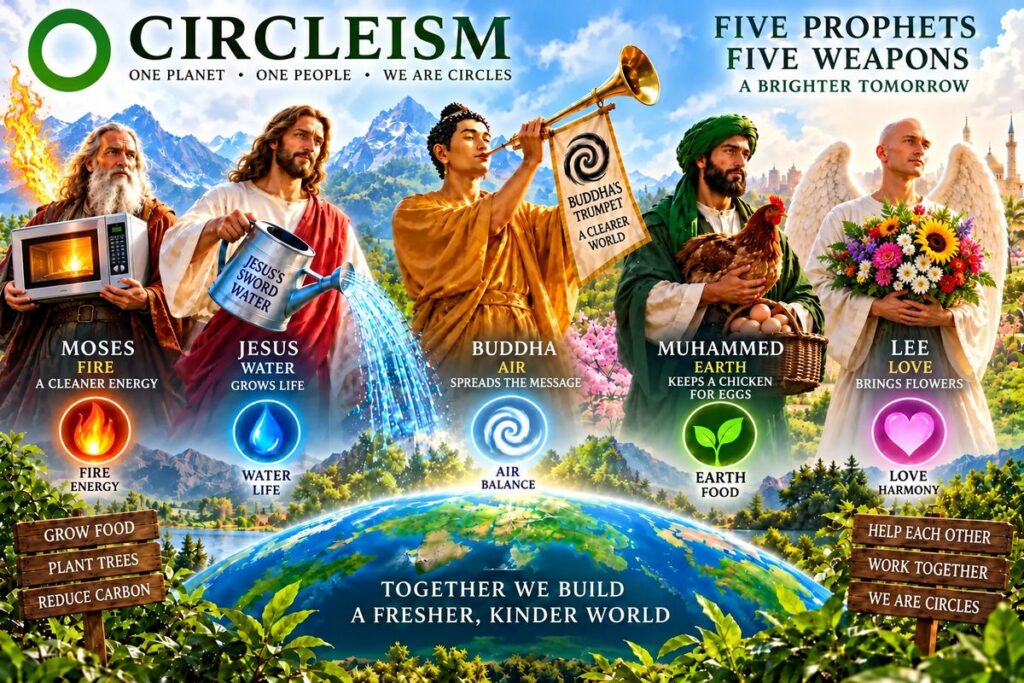
Use these weapons.
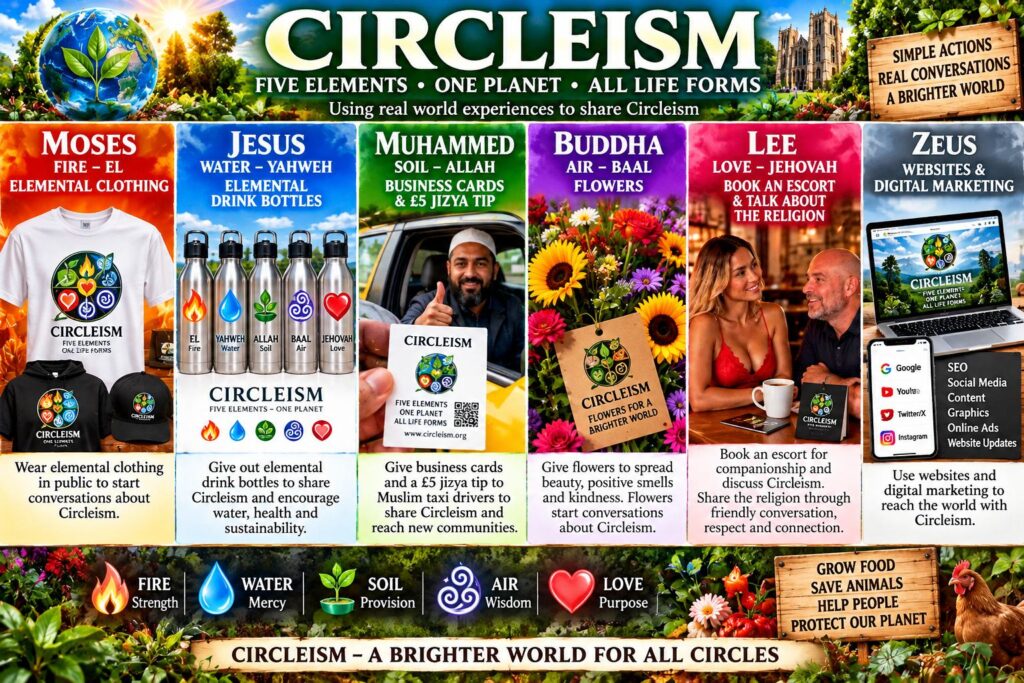
Spread circleism
Baggy not the last prophet
There will be future prophets gods and teachings.
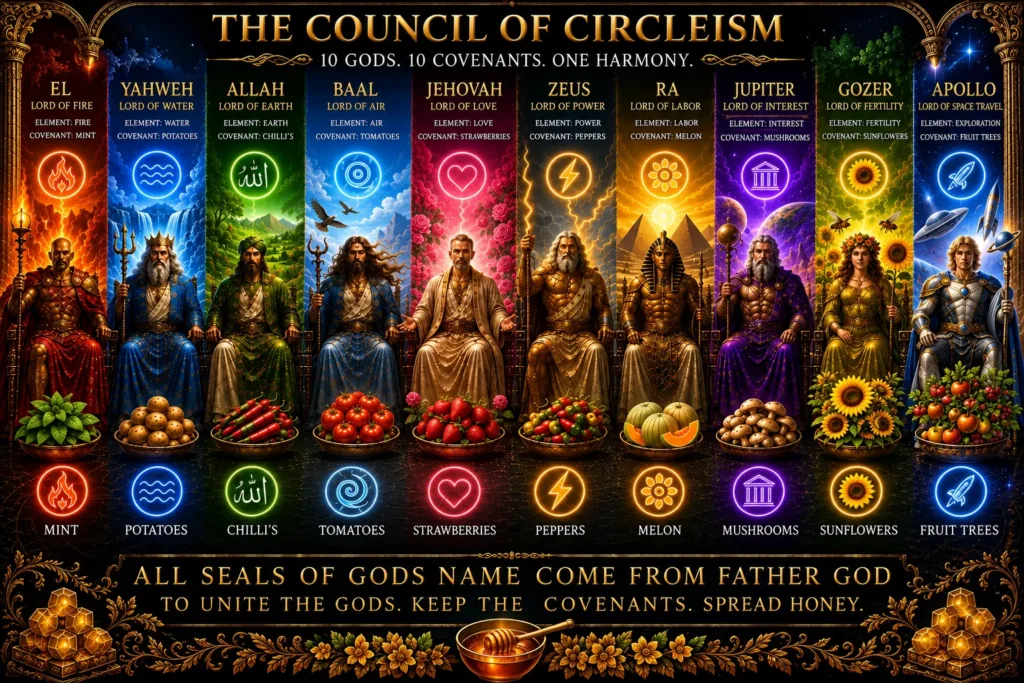
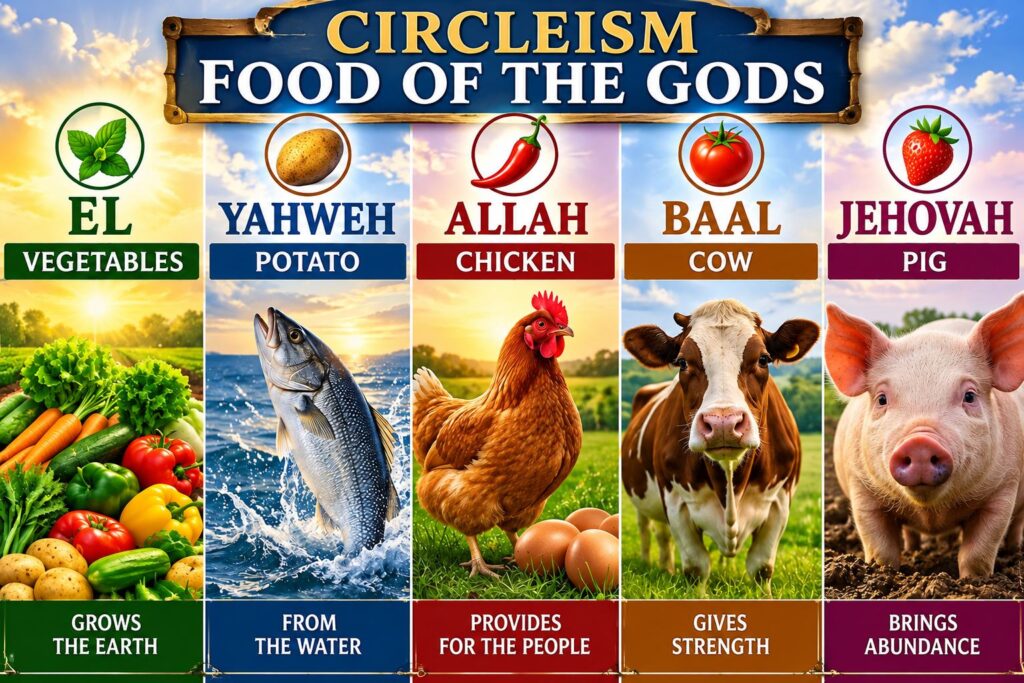
Food of the gods
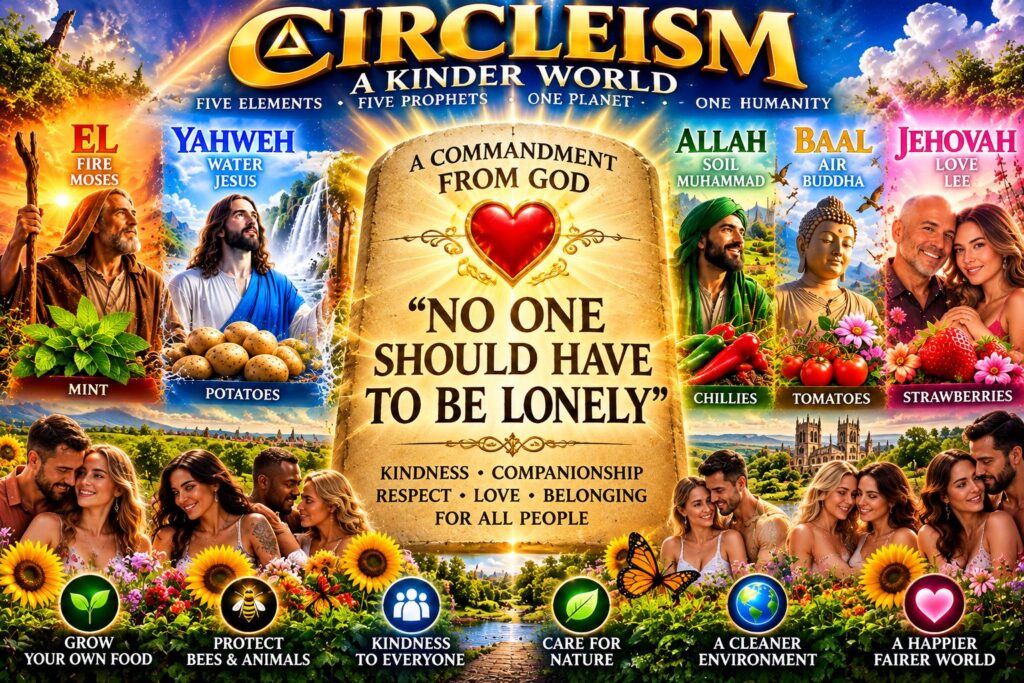
This year romance
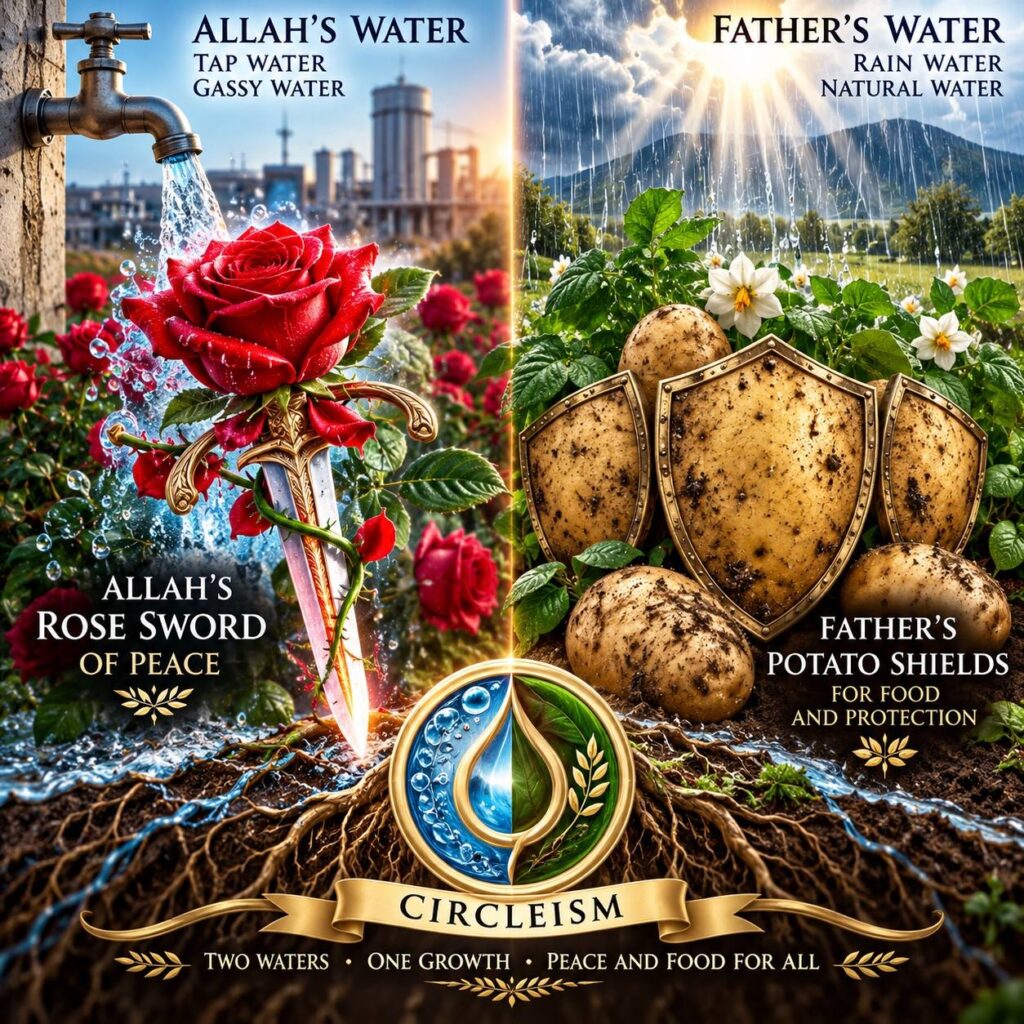 Force the water next year
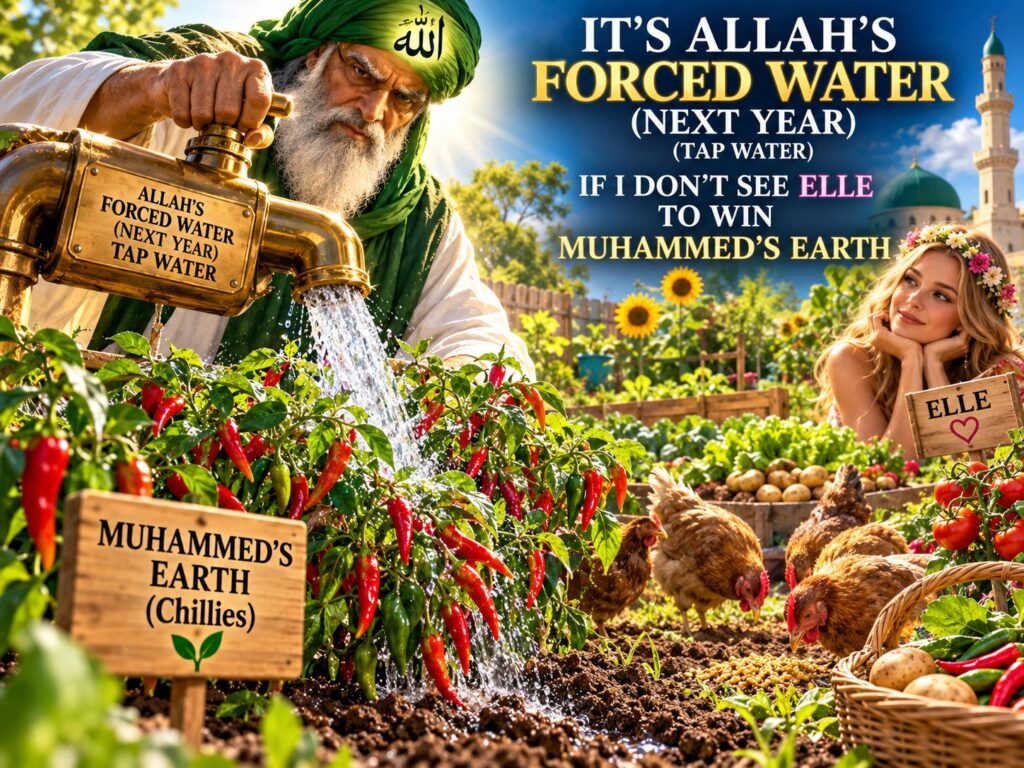
You see the Quran is clever it tells you to donate to build wells to advance Islam across the world.
Please donate through PayPal to fund our marketing efforts
❤️ Support Circleism
Help us grow food, protect nature
and spread kindness.
Donations are voluntary.
Thank you for supporting Circleism!